Eisai's Dayvigo Shows Year-Long Efficacy Without Tolerance Ahead of Korean Launch

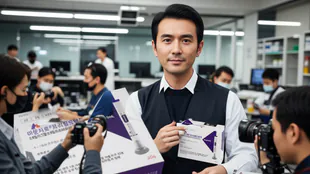
Eisai Korea is set to introduce its new insomnia treatment, Dayvigo (lemborexant), to the domestic market in late November. Clinical trials indicate the drug maintains its effectiveness for at least a year without causing tolerance, distinguishing it from older sleeping medications that often lose efficacy or cause rebound symptoms upon discontinuation.
Eisai Korea is preparing to launch Dayvigo (lemborexant), a new medication for insomnia, in the country by late November. The company cited clinical evidence showing the drug maintains its therapeutic effect for up to one year without signs of tolerance, a key differentiator from older sedative-hypnotic agents.
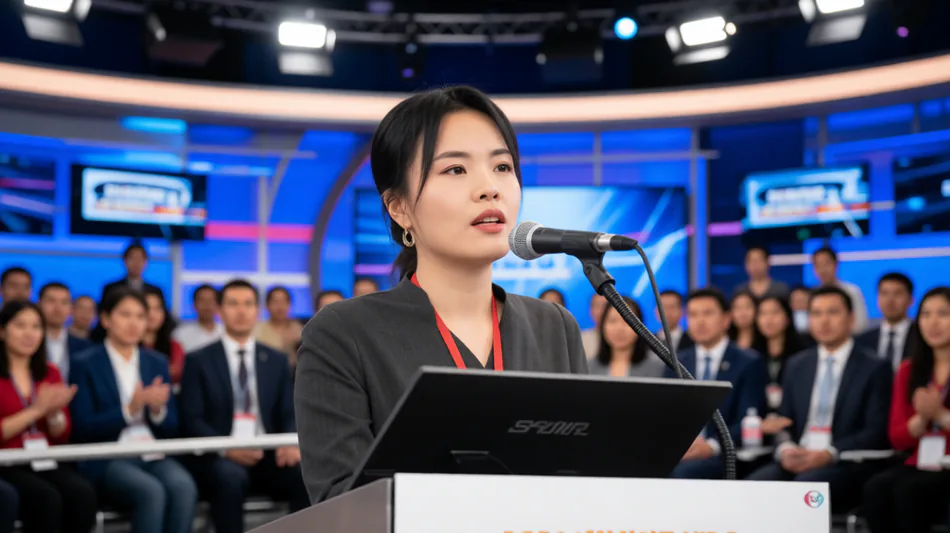
Professor Hwang Kyung-jin, a neurology specialist at Kyung Hee University Hospital, presented the data at a media briefing organized by Eisai Korea. She emphasized that insomnia is a chronic condition requiring long-term management rather than short-term intervention. "Insomnia is not a disease that is resolved by treating it for about a month, so whether the effect is maintained over the long term is important," Hwang stated.
Dayvigo represents the first dual orexin receptor antagonist (DORA) to enter the Korean market. Unlike benzodiazepines and nonbenzodiazepines, which work by broadly calming brain activity to induce sleep, DORAs function by blocking orexin 1 and orexin 2 receptors. This mechanism targets the brain's wakefulness signals directly, promoting a more natural sleep cycle.
Hwang described insomnia as a state of hyperarousal where excessive wakefulness persists at night, rather than a simple failure to initiate sleep. Older medications often lose their effect within one or two months and can cause rebound insomnia when discontinued. In contrast, clinical data suggests Dayvigo does not trigger these withdrawal effects.
The phase 3 SUNRISE 2 trial, which enrolled 949 adults, demonstrated that patients fell asleep faster starting from the first week of treatment. Improvements in sleep onset, sleep maintenance, and total sleep time persisted for a full year. Additionally, insomnia severity and daytime fatigue decreased over the study period. Patients who stopped taking the drug after one year of treatment exhibited no rebound insomnia or withdrawal symptoms.
In the phase 3 SUNRISE 1 trial involving 1,006 older patients, Dayvigo showed superior performance compared to extended-release zolpidem. At one month, the 5 mg dose reduced time to fall asleep by 19.5 minutes, while the 10 mg dose reduced it by 21.5 minutes. Zolpidem reduced this time by only 7.5 minutes. In the SUNRISE 2 trial, after six months, the 5 mg dose reduced sleep onset time by 21.8 minutes and the 10 mg dose by 28.2 minutes. Total sleep time increased by more than 70 minutes.
Safety profiles also favored Dayvigo in nighttime and morning assessments. Patients taking the drug swayed less than those on zolpidem when waking at night, and their morning balance was comparable to placebo. The drug did not meaningfully impair driving ability the following morning. Furthermore, it did not worsen breathing or blood oxygen levels in patients with obstructive sleep apnea.
The 2023 European insomnia guideline identified DORAs as a significant advancement in treatment, recommending them for up to three months when cognitive behavioral therapy (CBT) is insufficient, compared to the four-week limit for benzodiazepines and nonbenzodiazepines. CBT remains the first-line treatment and should accompany any drug therapy.
Hwang predicted that DORAs would steadily replace older sleeping pills in Korea, allowing doctors to prescribe medication more actively. Eisai Korea will co-promote Dayvigo with SK Chemicals, and prescriptions will be available to physicians across all departments.
The Ministry of Food and Drug Safety approved Dayvigo in June for adults experiencing difficulty falling or staying asleep. The recommended starting dose is 5 mg once daily, which can be increased to 10 mg if necessary.
C.Gonzalez--GM